Funeral Etiquette
We're Here to Help
At Carnes Funeral Home, we understand that attending a funeral or memorial service can feel unfamiliar or even overwhelming, especially for those who may not have attended one before. Every service is a time to come together, show respect, and bring comfort to those who are grieving.
Showing Respect and Support
This simple guide to funeral etiquette is meant to help you feel comfortable and confident as you support friends or family during their time of loss.

Funeral Planning Services
Funerals and memorials are deeply personal occasions. Whether you’re attending in person, sending condolences, or reaching out in another way, the most important thing is to show sincerity and compassion.
- Be present and attentive. Listen, share kind words, and offer comfort to the family.
- Speak from the heart. A simple “I’m so sorry for your loss” or “You’re in my thoughts and prayers” can mean a great deal.
- Avoid clichés or comparisons. Every loss is unique, and it’s best to offer genuine empathy rather than advice.
- Be mindful of personal space. Some may want to talk, while others may prefer quiet reflection. Follow the family’s lead.
FAQ's on Funeral Etiquette
A Carnes Funeral Home Memorial Service is conducted without the deceased present.
What to Wear
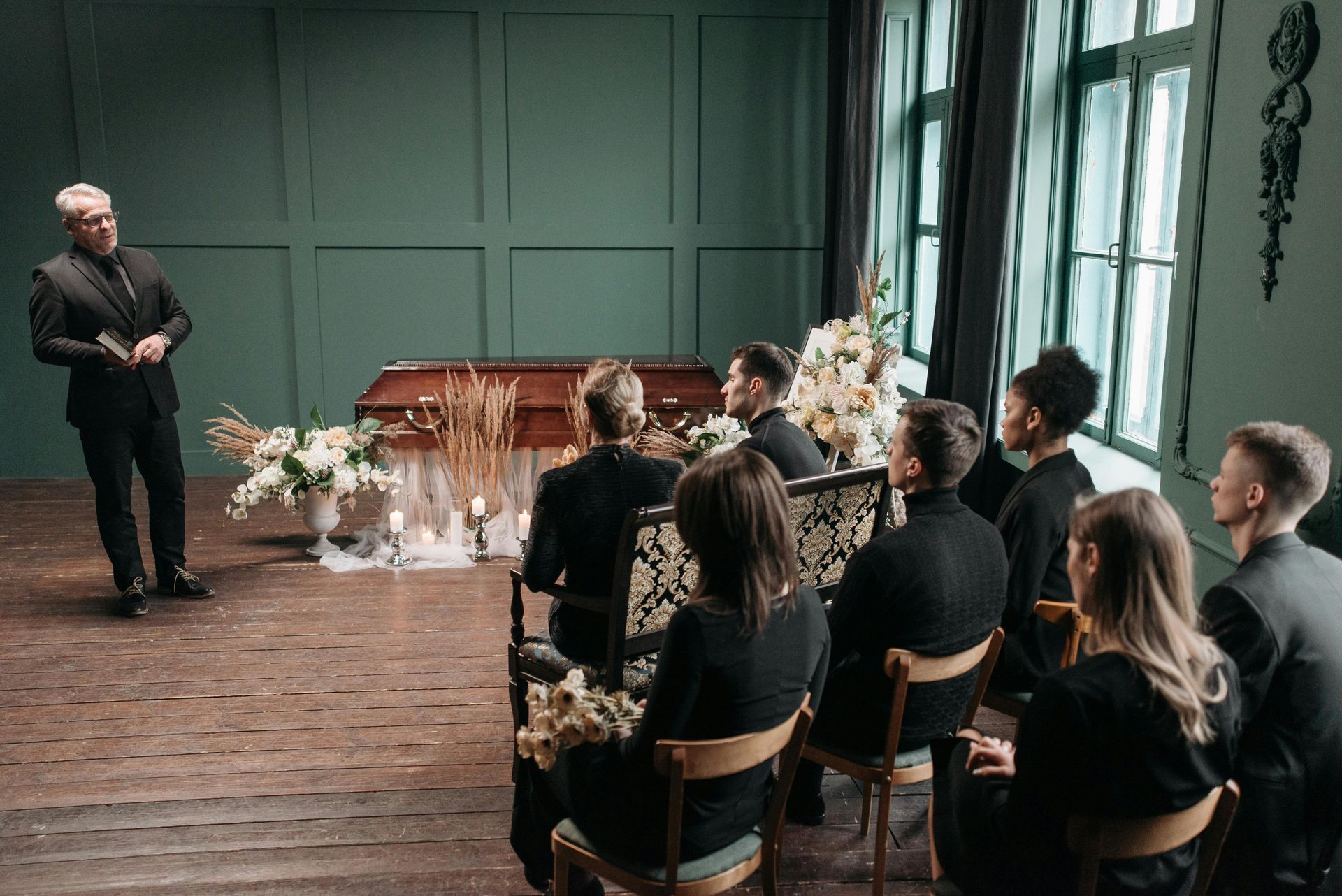
It’s customary to dress in a way that reflects respect for the occasion.
- Choose conservative, modest clothing in darker or neutral colors such as black, navy, or gray.
- Men often wear dress shirts and slacks, or a suit if possible.
- Women may wear a modest dress, blouse and skirt, or slacks with a nice top.
- Avoid bright or flashy patterns unless the family has requested “celebration of life” attire.
If you’re unsure, it’s always best to err on the side of simple and respectful.
When to Arrive
Plan to arrive 10 to 15 minutes early. This allows time to greet the family, sign the guest book, and be seated quietly before the service begins.
If you arrive late, enter quietly and choose a seat near the back to avoid disturbing others.
During the Service
Each service is unique and may include prayers, music, readings, or personal reflections.
- Silence your phone and refrain from taking photos or videos.
- Follow along quietly and respectfully with the service’s tone and customs.
If you are invited to speak or participate, keep your remarks brief, personal, and kind.
Offering Condolences
There are many ways to express sympathy and support beyond attending the service:
- Send a sympathy card or handwritten note. Personal messages are deeply appreciated.
- Send flowers or a memorial donation. Check the obituary or family’s wishes before sending.
- Offer help. Bringing meals, assisting with errands, or simply checking in after the service can mean a lot.
Remember — your presence, compassion, and care are often the greatest comfort you can give.
Is it appropriate to bring children to a funeral?
This depends on the child’s age, maturity, and relationship to the person who has passed away. If the child was close to the deceased and wants to attend, it can be a valuable opportunity to say goodbye. However, very young children who may have difficulty sitting quietly might be more comfortable staying home. If you decide to bring children, talk with them beforehand about what to expect and reassure them that it’s okay to feel emotional.
How should I greet the family?
When you greet the family, speak sincerely and keep your words simple. “I’m so sorry for your loss” or “Your loved one meant so much to so many” are both kind and appropriate. A gentle hug, handshake, or kind smile can offer comfort when words feel difficult. Allow the family to guide the interaction — some may wish to talk, others may simply appreciate your presence.
After the Funeral
Grieving continues long after the service ends. Staying in touch with the family can bring comfort in the weeks and months that follow.
A kind word, a visit, or a simple message can remind them that they’re not alone.
At Carnes Funeral Home, we encourage families and friends to support one another through remembrance, community, and ongoing care.
